
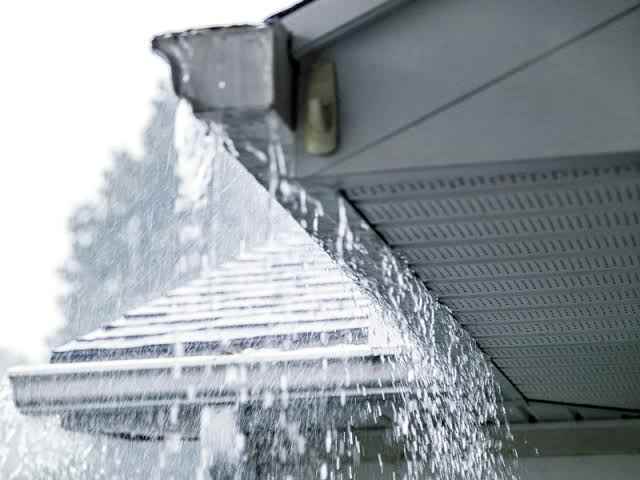
Failing or clogged gutters damage your foundation by dumping thousands of gallons of rainwater directly against your basement walls. When gutters overflow, water saturates the surrounding soil, triggering intense hydrostatic pressure that forces concrete to crack, bow, and leak. Installing custom seamless gutters channels roof runoff safely away from your home, preventing catastrophic structural repairs that often cost upwards of $10,000 to $15,000.
A neglected gutter system is the single leading cause of basement flooding and concrete foundation failure in Midwest homes.
- Hydrostatic Pressure: Saturated soil puts thousands of pounds of pressure on basement walls.
- Soil Erosion: Trenching around the perimeter undermines your home’s structural footings.
- Clay Expansion: Regional clay soils swell when wet, cracking concrete blocks and poured foundations.
- Immediate Protection: Upgrading to heavy-gauge seamless gutters permanently eliminates joint leaks and overflow.
How Gutters Fail Your Foundation
During a average 1-inch rainfall, a standard 2,000-square-foot roof sheds roughly 1,200 gallons of water. Without a properly functioning, continuous gutter system, that entire volume cascades off the roofline directly into the soil surrounding your home.
What is Hydrostatic Pressure?
Hydrostatic pressure is the physical force exerted by standing water trapped in the soil surrounding a home’s foundation. As rainwater saturates the ground, especially in dense clay regions, it expands significantly, creating immense lateral pressure that forces basement walls inward until they crack or leak.
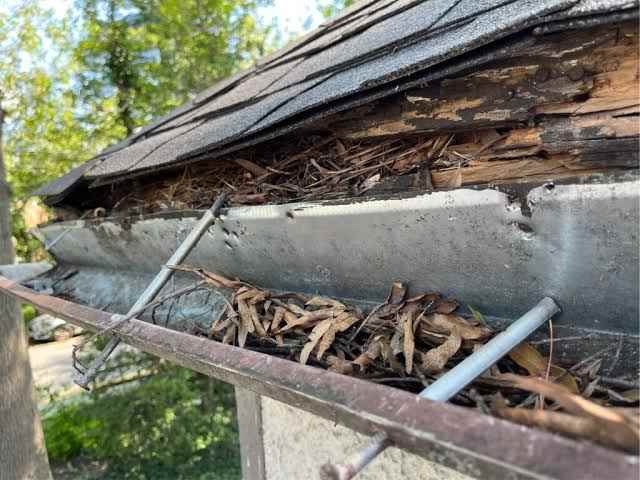
When water is allowed to pool around your foundation due to clogged or leaky sectional gutters, the soil expands like a soaked sponge. Over time, this constant push-and-pull cycle weakens concrete block walls, creates diagonal shear cracks, and eventually causes basement flooding.
5 Warning Signs Your Gutters Are Damaging Your Foundation
Homeowners often wait until water is ankle-deep in the basement before taking action. However, your exterior displays clear warning indicators long before structural failure occurs.
Trenching or Landscape Erosion Along the Perimeter
If you walk around your house and notice deep lines carved into your mulch, flowerbeds, or lawn directly under the eaves, your gutters are overflowing. This trenching means roof runoff is falling directly down rather than being routed through downspouts. This concentrated drop washes away protective topsoil and undermines your foundation footings.
Vertical or Stair-Step Cracks in Basement Walls
Hairline cracks in interior basement walls, especially horizontal cracks or stair-step cracks through concrete block mortar, are clear indicators of hydrostatic pressure. When water accumulates near the footing, the soil expands against the wall. Replacing worn troughs with heavy-duty seamless gutters stops this water saturation immediately.
White Chalky Powder on Basement Walls
If you notice a white, powdery substance coating your unfinished concrete basement walls, water is actively penetrating the material. As moisture migrates through the porous concrete, it dissolves natural minerals inside. When the water evaporates on the interior side, it leaves behind crystalline mineral deposits known as efflorescence, the warning sign of a waterlogged exterior wall.
Standing Water or Puddles Within 5 Feet of the House
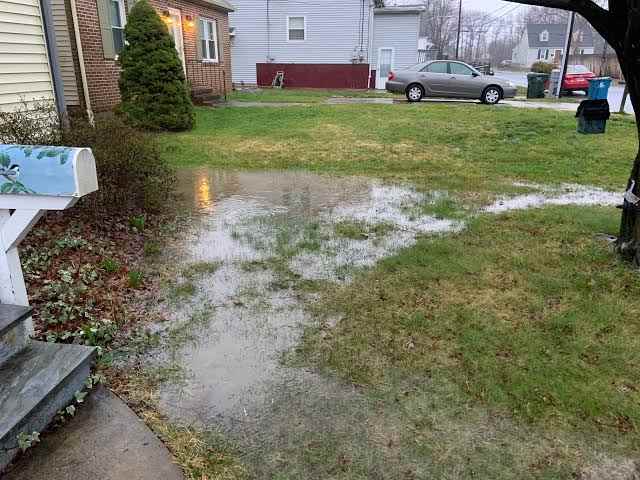
Water should never sit near your home after a rainstorm. If you see pooling within 5 feet of your exterior walls, your downspouts are either discharging too close or your gutters are leaking at the seams. Downspouts must extend at least 4 to 6 feet away from the foundation to prevent recirculating water into your sump pit.
Peeling Paint, Rotting Fascia, or Water Stains on Siding
When gutters fill with pine needles, leaves, or ice, water backs up behind the metal run. This standing water rots the wooden fascia board, ruins siding, and trickles down exterior walls. If your siding shows water discoloration or dark mold streaks, your gutters are structurally compromised and failing to shed water correctly.
Sectional vs. Seamless Gutters
| Feature / Issue | Traditional Sectional Gutters | Agassiz Valley Seamless Gutters |
| Leak Vulnerability | High (Leaks at every 10ft seam) | Zero Mid-Run Leaks (Custom single piece) |
| Water Capacity | Low to Moderate | High (Custom 5″ or 6″ profiles) |
| Clog Potential | High (Debris catches on inner seams) | Low (Smooth internal path) |
| Ice Load Resistance | Weak (Joints split in sub-zero freezes) | Maximum (Heavy-gauge aluminum) |
| Foundation Protection | Unreliable | Complete Water Diversion |
How to Inspect Your Gutters
Catching gutter defects early saves tens of thousands of dollars in structural concrete repairs. Follow this 4-step inspection routine twice per year:
Perform a “Rainy Day Walkaround”: Put on a rain jacket during a moderate downpour and walk your home’s perimeter. Look for water spilling over the front edges or dripping from joints.
Inspect Downspout Clearance: Ensure all downspout elbows have extensions carrying water at least 4 feet away from your foundation wall.
Check the Fascia Line: Look up under the gutters from the ground. If you see water stains or peeling paint on the wooden fascia behind the metal trough, water is leaking backward.
Examine Basement Corners: Check interior basement corners after heavy rains for dampness, dark spots, or elevated humidity levels.
If you observe any of these red flags, your current gutters are actively putting your home’s foundation at risk. Installing custom-rolled seamless gutters eliminates seam leaks entirely, providing a permanent barrier against basement flooding and costly structural damage.
Frequently Asked Questions
Q: Can overflowing gutters cause a basement to flood?
A: Yes. Overflowing gutters dump thousands of gallons of water directly against your foundation. The water saturates the soil, creates hydrostatic pressure, and pushes through basement walls, floor seams, and sump pits.
Q: How far should gutters direct water away from a home’s foundation?
A: Downspout extensions should carry water at least 4 to 6 feet away from the foundation. In heavy clay soil areas, extending downspouts 10 feet or routing them into underground pop-up drains is highly recommended.
Q: How much does it cost to repair a damaged foundation compared to new gutters?
A: Foundation crack repair, piering, and basement waterproofing typically cost between $5,000 and $15,000+. Installing high-performance seamless gutters costs a fraction of that, making it the most cost-effective preventative measure available.
Q: Why do traditional sectional gutters always seem to leak at the joints?
A: Sectional gutters are pieced together in 10-foot lengths using caulk or vinyl seals. Temperature swings cause the metal to expand and contract, breaking these seals and causing water to leak right next to your foundation.
Q: Do leaf guards help prevent foundation damage?
A: Yes. Leaf guards keep autumn leaves, twigs, and debris out of the gutters, ensuring water flows freely to downspouts during heavy storms instead of backing up and overflowing onto your foundation.
Protect Your Foundation Before the Next Storm
Don’t wait for basement cracks or standing water to force expensive structural repairs. Protecting your home starts at the roofline with an “overbuilt” water management system designed for extreme weather.
Author: Mike, Owner of Agassiz Valley Gutter LLC
Last Updated: September 2026
Credentials: 24+ years of hands-on expertise in exterior water management, structural siding, and seamless gutters across Eastern North Dakota and Northwest Minnesota.